In development.
Building simulation
for robotic touch.
We’re developing software to simulate touch-sensor responses to help robotics teams generate synthetic touch data and develop tactile perception.
Why touch matters
Seeing is only
the beginning.
Our vision is to let robots explore what happens when they press, slide, and grasp—through simulated touch.
A virtual space to vary contact, explore tactile responses, and develop perception before moving to physical testing.
The vision
Contact
Simulated touch
Robot learning
Examples → perception
Explore where contact becomes a signal.
Future possibilities
What this could enable
Our ambition is to give robotics teams a way to explore touch-rich behavior in simulation, across objects, materials, and interactions.
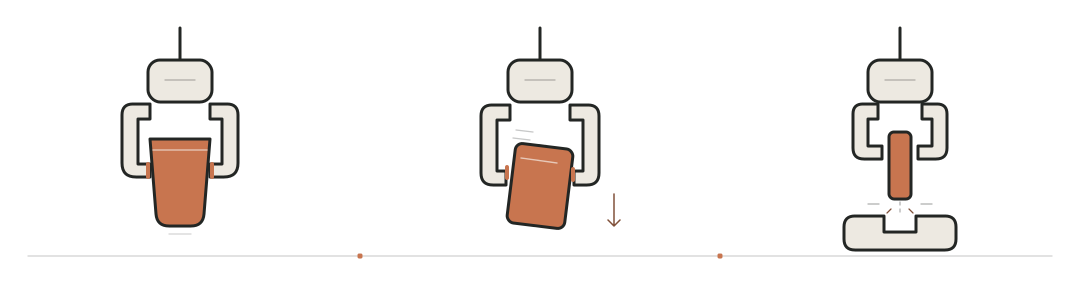
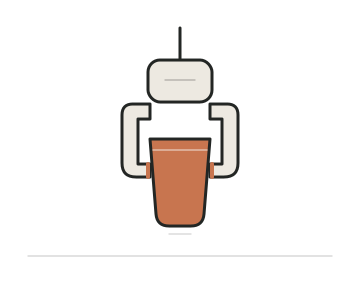
Gentle grasping
Explore how touch could guide a grasp around delicate, deformable objects.
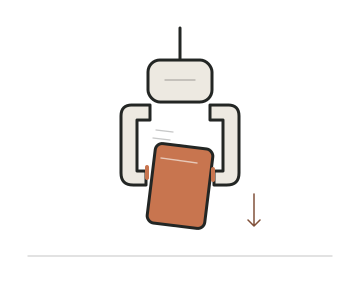
Slip-aware handling
Imagine recognizing changing contact as an object begins to move.
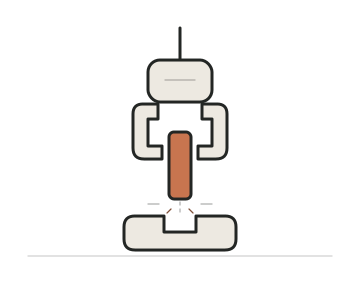
Precise manipulation
Develop tactile perception for aligning parts and navigating tight contact.
Our ambition
Robots that can handle the world
with a sense of touch.
Roadmap
The path ahead
Our plan for the next six months, from the first sensor to a paid design-partner evaluation.
- December–January
Sensor and benchtop rig
Confirm the sensor and build the benchtop rig.
- February
First sensor model
Fit the first sensor model and run a simple baseline to verify the idea.
- March
Mass data collection
Collect tactile data at scale.
- April
Held-out benchmark
Document where the model meets the tolerance, where it misses, and how its error changes with calibration effort.
- May
Reproducible package
Package the runnable workflow, benchmark, and whitepaper so a second engineer can reproduce the reported result.
- June
Design-partner evaluation
Run a paid design-partner evaluation against the partner’s current process.